
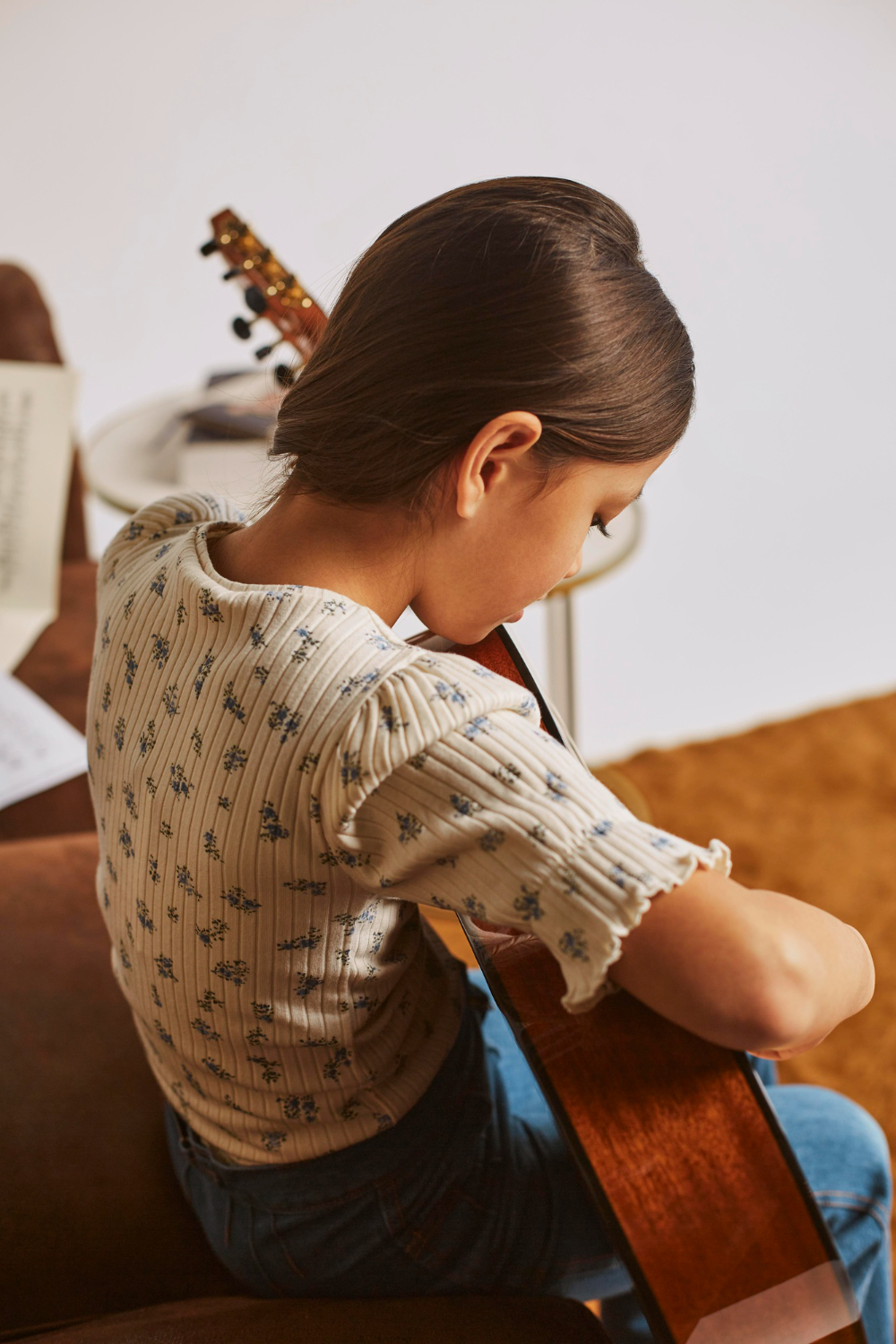
There’s a moment every morning—maybe you know it—when everything is just a little too loud. The shoes are too tight, the cereal crunches too sharp, and the world feels one decibel away from collapse. And then a song comes on. Something familiar, something rhythmic. And like magic, the room changes. Breathing slows. Shoulders drop. For my child, music isn’t just entertainment. It’s regulation. It’s the difference between fight-or-flight and staying in the room.
This isn’t unusual. Music affects the brain in deeply integrated ways. It supports executive functioning, emotional modulation, pattern recognition, and memory. It helps children—especially neurodivergent ones—process the overwhelming flood of sensory input that defines so much of school life. But it only works when it’s taught with skill, care, and respect.
Music activates both hemispheres of the brain at once—a rare phenomenon in learning. When a child reads music or learns an instrument, they’re processing symbols, coordinating fine motor movement, tracking rhythm, listening for pitch, and predicting patterns, all in real time. That cross-hemispheric activation builds stronger neural pathways for working memory, language development, and sequencing skills. It’s no accident that music training is correlated with improved reading comprehension and math performance. But more importantly, it trains the brain to integrate and adapt—something every learner needs, and something our schools should value far more.
Too often, what passes for music education is little more than chaos with a tambourine. We’ve all sat through those holiday concerts: the shrill pitch of recorders, the one-size-fits-all arrangements, the volume cranked up so high that even the calmest kids wince. When music is led by someone without the training—or the sensitivity—to shape it well, it becomes overwhelming rather than grounding. It becomes a stressor instead of a support.
And yet, across the province, specialist music teachers are being cut. Positions that used to anchor the school week are now patchwork, folded into general classroom time or dropped entirely. The result is predictable: more behavioural challenges, more dysregulation, more missed opportunities to connect with students who desperately need an entry point into learning.

Music education advocates sound alarm on cuts to B.C. school band programs
Surrey has already eliminated Grade 7 band. Burnaby, Maple Ridge and Merritt are considering doing the same
Karin Larsen · CBC News · Posted: Apr 22, 2025
A music education advocacy group says it is “fiercely opposed” to the elimination of Grade 7 band, that has been confirmed or proposed as a money-saving measure by at least four B.C. school districts.
Read more
Music class is not a frill. It’s a discipline that builds auditory processing, sequencing, cooperation, and joy. For some children, it’s the one place they feel successful. For others, it’s the only subject that makes school tolerable. And for all of us—for the tired parents at the end of the day, for the teachers trying to keep a class of 25 engaged, for the kids navigating a world too big and too loud—music is the thread that holds things together.
We don’t just need music in schools. We need real music education. With real teachers. And real respect for what it makes possible.